
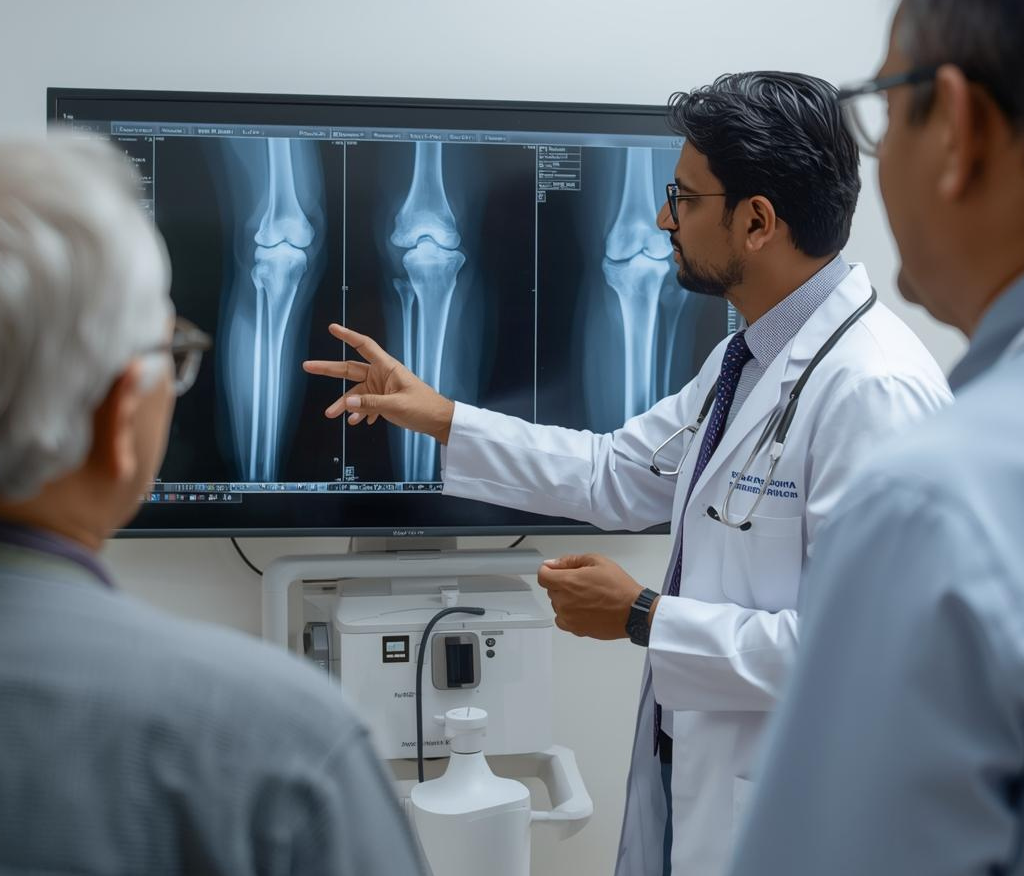
Osteoarthritis is one of the most common joint problems affecting people of all age groups, especially after the age of 40. It is a degenerative joint condition that develops gradually and can significantly affect daily activities if left untreated. Early diagnosis and proper orthopaedic care can help manage symptoms and improve quality of life.
What Is Osteoarthritis?
Osteoarthritis is a joint disorder caused by the gradual wear and tear of cartilage—the protective tissue that cushions the ends of bones. As the cartilage breaks down, bones begin to rub against each other, leading to pain, stiffness, and reduced joint movement. Osteoarthritis commonly affects the knees, hips, spine, hands, and shoulders.
Common Symptoms of Osteoarthritis
Symptoms of osteoarthritis may develop slowly and worsen over time. Common signs include:
-Joint pain during or after movement
-Stiffness, especially in the morning or after rest
-Swelling around the affected joint
-Reduced flexibility and joint movement
-A grating or clicking sensation while moving the joint
-Difficulty performing daily activities like walking or climbing stairs
Causes and Risk Factors
Several factors can increase the risk of developing osteoarthritis, including:
-Increasing age
-Excess body weight
-Previous joint injury or trauma
-Repetitive stress on joints
-Family history of osteoarthritis
-Poor posture and lifestyle habits
How Is Osteoarthritis Diagnosed?
An orthopaedic doctor may diagnose osteoarthritis through:
-Detailed medical history and physical examination
-X-rays to assess joint damage and cartilage loss
-MRI in selected cases for detailed joint evaluation
-Blood tests to rule out other types of arthritis
Early diagnosis helps slow disease progression and reduce complications.
Treatment Options for Osteoarthritis
Treatment aims to reduce pain, improve joint function, and slow progression. Options may include:
-Pain-relieving and anti-inflammatory medications
-Physiotherapy and guided exercises
-Weight management and lifestyle modification
-Use of supportive devices like knee braces
-Advanced non-surgical treatments as advised by the doctor
Surgical intervention may be considered in severe cases where conservative treatment fails.
When Should You See an Orthopaedic Doctor?
Consult an orthopaedic specialist if:
-Joint pain persists or worsens over time
-Stiffness limits daily activities
-Swelling or deformity develops in joints
-Pain does not improve with rest or basic treatment- You experience difficulty walking or standing
Orthopaedic Care at Apollo Clinic Nagaon
At Apollo Clinic Nagaon, our orthopaedic department provides comprehensive care for osteoarthritis and other bone and joint conditions with a focus on early diagnosis and long-term mobility.
Orthopaedic Specialist at Apollo Clinic Nagaon
Dr. Bhaskar Joti Deka –https://apolloclinicnagaon.com/doctor/dr-bhaskar-jyoti-pegu/
Dr. Bhaskar Joti Deka is an experienced Orthopaedic in Nagaon with expertise in diagnosing and treating osteoarthritis, joint pain, knee problems, spine-related issues, and musculoskeletal injuries. He focuses on accurate diagnosis, evidence-based treatment, and personalized care to help patients reduce pain, improve joint function, and maintain an active lifestyle.
Patients from Nagaon and nearby areas of Assam receive reliable orthopaedic care supported by modern diagnostic facilities at Apollo Clini
Book an Orthopaedic Consultation
If you are experiencing persistent joint pain or stiffness, early medical consultation can prevent further joint damage.
📞 Book your orthopaedic appointment at Apollo Clinic Nagaon today. Call 1800-890-6848
This content is for informational purposes only and does not replace professional medical consultation.